

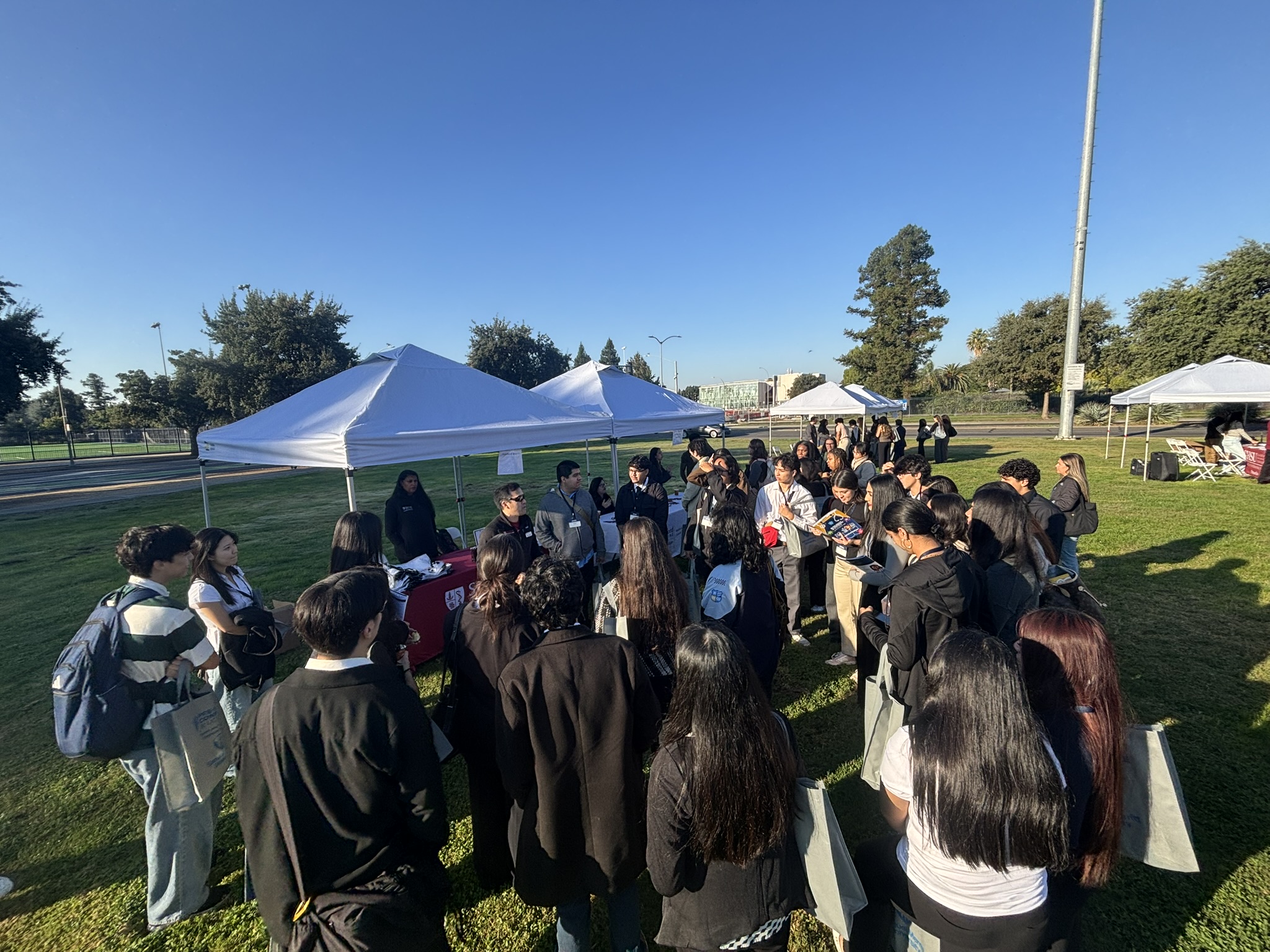

Attending a graduate recruitment fair is one of the best ways for pre-health students to make real connections with the programs that could define their future. Whether you’re pursuing physical therapy, occupational therapy, athletic training, physician assistant studies, or another healthcare field, these fairs bring admissions representatives directly to you.
But here’s the truth: recruiters meet hundreds of students in a single day. They’ll remember only a handful. Your goal is to make sure you’re one of them. That doesn’t require being the loudest or most charismatic person in the room. It requires strategy, professionalism, and follow-through.
Here are five powerful steps that will make you stand out — not just during the event, but long after it ends.
1. Dress Professionally: First Impressions Are Hard to Redo
Recruitment fairs are professional events, not casual hangouts. The way you dress communicates respect, confidence, and seriousness before you even say a word. Recruiters make quick judgments about whether a student seems ready for graduate school, and attire plays a subtle but powerful role in that impression.
You don’t have to spend hundreds of dollars on new clothes. The key is to look clean, polished, and intentional. For men, that could mean dress pants, a button-down shirt, and nice shoes. A tie or blazer adds a professional touch. For women, consider a blouse, dress pants, or a conservative skirt. Closed-toe shoes always look more polished than sneakers or sandals.
Avoid overly casual items like jeans, leggings, sweatshirts, or T-shirts with logos. Keep accessories simple, and make sure your outfit fits comfortably — you’ll be shaking hands, walking around, and talking a lot. A well-fitted outfit shows confidence and maturity, and it’s one less distraction for recruiters who are focused on your potential.
Remember, when in doubt, dress for the position you want — in this case, a future healthcare professional.
2. Be Engaged in Every Conversation: Listen, Respond, and Connect
The most memorable students are the ones who make recruiters feel heard and valued. Being “engaged” isn’t about dominating the conversation; it’s about showing genuine curiosity and enthusiasm.
Start with eye contact and a firm handshake. Smile when you introduce yourself and share what stage you’re at in your undergraduate journey. For example:
“Hi, my name is Jordan. I’m a junior majoring in kinesiology, and I’m really interested in your DPT program because of its emphasis on clinical rotations.”
This type of introduction quickly tells the recruiter who you are and why you’re there. From there, listen attentively. When they describe their program, nod, maintain eye contact, and ask thoughtful follow-up questions. Avoid generic ones like “What are your admission requirements?” — that information is usually on their website. Instead, dig deeper:
-
“What sets your program’s clinical experiences apart from others?”
-
“What qualities do successful students in your program typically have?”
-
“How does your faculty support students during their first semester?”
These questions show that you’re not just collecting brochures — you’re exploring fit and opportunity.
Avoid being on your phone, glancing around the room, or multitasking while someone is talking to you. Recruiters notice that. Students who give full attention come across as mature and professional.
3. Communicate Your Strengths with Confidence (Not Arrogance)
You only have a few minutes with each recruiter, so make them count. Recruiters want to see not just what you’ve done, but who you are. Share your strengths in a way that highlights fit rather than ego.
Think of this as your personal elevator pitch — a 30-second snapshot that combines your passion, experience, and goals. Here’s an example:
“I’ve spent the past two years volunteering at a rehabilitation center, and that experience confirmed how much I value patient connection and teamwork. I’m particularly drawn to programs that emphasize holistic patient care.”
That short statement communicates experience, self-awareness, and alignment with their mission.
If you’ve had meaningful experiences — clinical hours, shadowing, leadership roles, or community service — mention them briefly, but tie them to your goals. For example, don’t just say, “I worked 200 hours as a PT tech.” Instead, say:
“Working 200 hours as a PT tech helped me understand how communication between patients and clinicians can accelerate recovery. That’s something I hope to build on in graduate school.”
Recruiters are looking for fit, not perfection. You don’t have to be the student with the highest GPA or the longest résumé. You just need to articulate who you are and why you’d thrive in their program.
Finally, remember that confidence is quiet. Speak clearly, smile, and make it conversational — recruiters appreciate authenticity over rehearsed speeches.
4. Send a Thank-You Email That Night — No Questions, Just Gratitude
Most students forget this step — and that’s exactly why you should do it. Sending a thank-you email the evening of the fair shows thoughtfulness and professionalism. It tells the recruiter, “I appreciated your time, and I take initiative.”
Keep your message short, sincere, and specific. Mention something you discussed to jog their memory. Here’s a simple example:
Subject: Thank You for Speaking with Me at the Graduate Health Fair
Dear [Recruiter’s Name],
Thank you for taking the time to speak with me today at the Graduate Health Recruitment Fair. I really enjoyed learning about [Program Name] and especially appreciated your insights about [specific topic you discussed].
I’m very inspired by the program’s mission and hope to apply in the upcoming cycle. Thank you again for your time and kindness.
Best regards,
[Your Full Name]
[Your University]
Notice that there are no questions in this email. You’re not asking about deadlines or requirements — you’re simply expressing appreciation. Recruiters often forward polite, well-written emails to their colleagues, which keeps your name circulating inside their admissions office.
5. Follow Up When You Apply: Close the Loop Professionally
This final step is one that almost no one does — and it’s the one that often seals a recruiter’s impression of you as polished and serious.
When you submit your application, send a brief, professional email letting them know. This isn’t about fishing for special treatment; it’s about professional courtesy and maintaining connection. For example:
Subject: Application Submitted to [Program Name]
Dear [Recruiter’s Name],
I wanted to reach out and let you know that I’ve officially submitted my application to [Program Name]. It was great meeting you at the Graduate Health Recruitment Fair earlier this year, and our conversation further confirmed that your program aligns well with my goals.
Thank you again for your time and encouragement — I’m excited for the possibility of joining your community.
Sincerely,
[Your Full Name]
This step keeps you on their radar in a positive, professional way. If a recruiter remembers you as the student who followed up respectfully and consistently, they may mention you in committee discussions or during applicant review.
Putting It All Together: The Power of Professionalism and Consistency
Standing out at a recruitment fair isn’t about being flashy — it’s about being consistent, courteous, and authentic. Every action — from your clothing choice to your follow-up emails — tells a story about how you’ll behave as a graduate student and future healthcare professional.
Programs want students who are reliable, mature, and proactive. By following these five steps — dressing professionally, engaging sincerely, highlighting strengths, sending timely thank-yous, and following up after applying — you’ll demonstrate all those qualities before you even set foot on campus.
Recruiters remember the students who treat the process like a relationship, not a transaction. They remember the students who smile, who listen, who care. And in a field built on compassion and communication, those are exactly the skills that will set you apart — not just at a fair, but throughout your career in healthcare.